How often to inspect your roof
Inspect your roof at least twice a year, generally in spring and fall, and again after any high-wind storm. That's FEMA's recommendation for sloped roofs, and it adds that repairs should be made quickly once you find a problem.
The table below shows the spring and fall inspection months for your zone: spring after the thaw, fall before winter storms. Add a quick look after every major storm.
When to do it in your climate zone
| Climate zone | Like | When |
|---|---|---|
| Zone 1 (very hot) | Miami, Honolulu, Key West | March and November |
| Zone 2 (hot) | Houston, Phoenix, Orlando, Dallas | February and November |
| Zone 3 (warm) | Atlanta, Nashville, Las Vegas, Los Angeles | March and October |
| Zone 4 (mixed) | Washington DC, New York City, St. Louis, Seattle | April and October |
| Zone 5 (cool) | Chicago, Denver, Boston, Salt Lake City | April and October |
| Zone 6 (cold) | Minneapolis, Fargo, Burlington (Vermont), Helena | May and September |
| Zone 7 (very cold) | Duluth, Caribou (Maine), Anchorage | May and September |
| Zone 8 (subarctic) | Fairbanks and interior Alaska | June and August |
Months are typical for each zone and match the free HouseByMonth calendar. Not sure of your zone? Find your climate zone. Weather varies year to year, so move a task earlier if a cold snap or heat wave arrives early.
Why roof inspections matter
Your roof is the first line of defense against water getting into the house. Small problems like a lifted shingle or loose flashing can let water reach the roof deck, insulation and ceilings.
Storms make this more urgent. FORTIFIED, the roofing program of the Insurance Institute for Business & Home Safety (IBHS), reports that between 70% and 90% of insurance claims after severe weather include roof damage.
Roofs also wear out with age. FORTIFIED notes that roofs may need replacing every 15 to 20 years, sooner after harsh weather. Lifespan depends on the material, so ask a roofer what to expect from yours.
Spring and fall, zone by zone
In cold zones, the spring inspection comes later in the year, once snow and ice are gone. That's when you can see what winter did to shingles, flashing and gutters.
In hot and humid zones, the spring check gets the roof ready for summer storms and hurricane season. In every zone, inspect again after high winds, hail or a heavy storm.
See the table above for both months in your zone, and add your other seasonal tasks with the home maintenance calendar.
What to look for
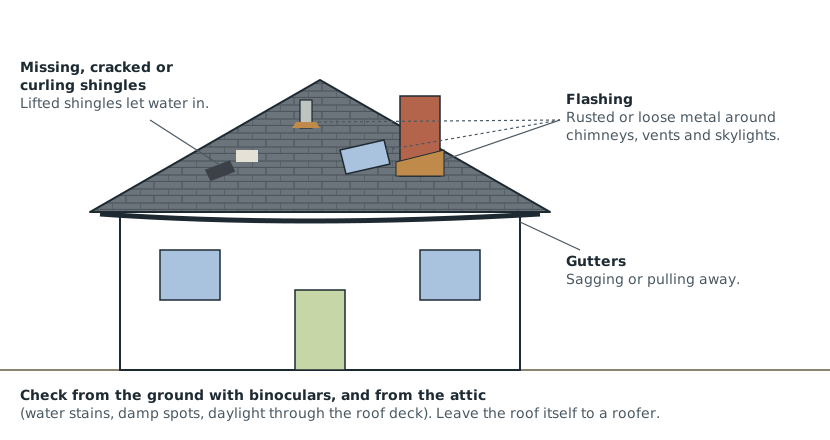
You can spot most problems from the ground with binoculars, or from a window that looks onto the roof. FORTIFIED lists these warning signs:
- Curling or buckled shingles.
- Cracked shingles or tiles.
- Areas with heavy granule loss, where the shingle surface looks bare.
- Missing shingles, tiles or metal panels.
- Rusty or exposed nails and screws.
- Rusted flashing around chimneys, vents and skylights.
Also look for sagging areas and for water pooling on the roof.
The attic view
Some roof leaks show up indoors before you can see them outside. FORTIFIED points to water stains on the ceiling of your home's top floor as a sign to get the roof checked.
If you have an attic you can enter safely, look at the underside of the roof deck with a flashlight. Signs to note:
- Dark stains or damp spots on the wood.
- Daylight showing through the roof boards.
- Wet or matted insulation.
- Mold or a musty smell.
Step only on framing members or a solid walkway. Ceiling drywall between the joists won't hold your weight.
How to inspect your roof, step by step
- Pick a clear, dry day with good light.
- Walk around the house and look at each roof slope with binoculars.
- Check shingles, flashing, vents and the chimney for the warning signs above.
- Look at the gutters and downspouts for loose sections and debris.
- Note any tree limbs that hang over the roof. FEMA recommends trimming them back.
- Check the attic and top-floor ceilings for stains or damp spots.
- Take photos of anything that looks wrong, with the date. They help when you talk to a roofer or your insurer.
- Schedule repairs quickly. Small fixes are easier than replacing a wet roof deck.
Ladder and roof safety
You don't need to walk on the roof to inspect it. Ground-level and attic checks are safer and catch most problems.
If you do use a ladder, follow OSHA, NIOSH and CPSC basics:
- Inspect the ladder first, and don't use it if any part is damaged.
- Set it on firm, level ground.
- Look for overhead power lines before you raise the ladder, and keep it well away from them. Never use a metal ladder near power lines.
- Set an extension ladder at about a 75-degree angle, with the base one quarter of the working length from the wall.
- Extend it at least 3 feet above the roof edge.
- Keep three points of contact while climbing, and have a helper hold the base.
- Don't stand on the top three rungs.
Never go on a roof that is wet, icy, mossy or steep. Stay off the roof right after a storm, when loose materials and hidden damage make footing unpredictable.
When it's a roofer's job
Call a roofer for anything you can't check safely from the ground, the attic or the bottom of a ladder. That includes steep roofs, roofs on two-story or taller homes, and roofs with tile or slate, which can break underfoot.
Also call a pro after storm damage, for any active leak or for flashing problems around chimneys and skylights. If your roof is near the end of its expected life, a professional inspection can help you plan ahead.
Next on the list
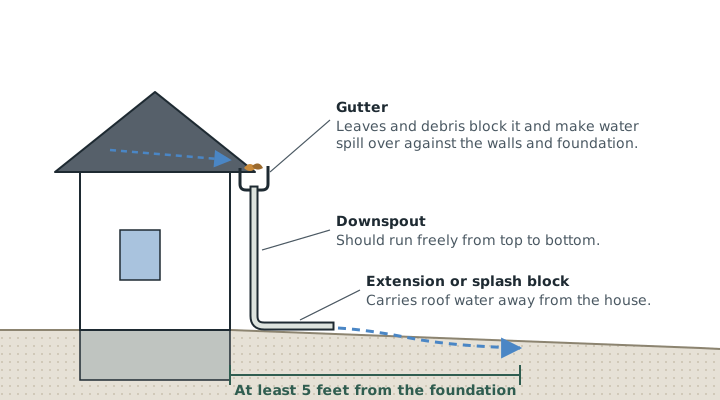
Clean gutters keep water moving off the roof and away from the house. See when to clean your gutters for the schedule in your zone.
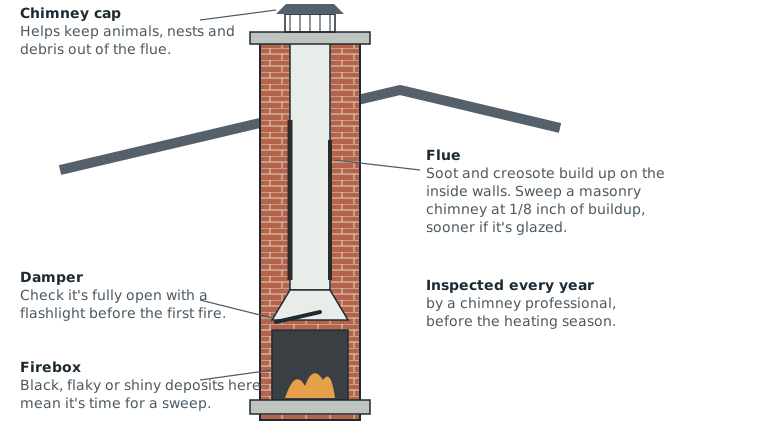
If you have a fireplace, the chimney needs its own yearly inspection. See when to clean your chimney.
Sources
- FEMA: Fact Sheet 3.3.1, Roof Systems (Sloped Roofs)
- FORTIFIED (Insurance Institute for Business & Home Safety): Homeowner resources
- University of Georgia Cooperative Extension: Mold and moisture checklist
- OSHA: Portable ladder safety QuickCard (copy hosted by NLTAPA)
- CDC NIOSH: Ladder safety, there's an app for that
- CPSC: Home safe checklist, outdoor repairs
Want every task on one schedule? Build your free maintenance calendar for your ZIP code and add it to your phone.