When to get your chimney inspected and swept, by climate
Have your chimney inspected by a professional once a year, and swept whenever the inspection shows it needs it. The best time is summer or early fall, a couple of months before you light your first fire.
That annual schedule comes from the U.S. Fire Administration, which says to have heating equipment and chimneys cleaned and inspected each year by a professional. The Chimney Safety Institute of America (CSIA) points to the national standard, NFPA 211, which calls for an inspection at least once a year.
When to do it in your climate zone
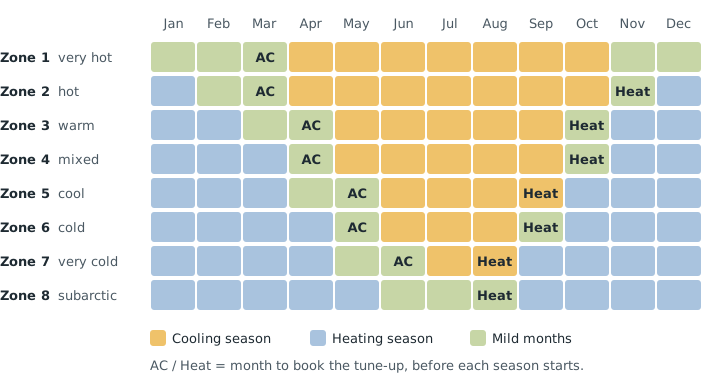
| Climate zone | Like | When |
|---|---|---|
| Zone 1 (very hot) | Miami, Honolulu, Key West | Not usually needed |
| Zone 2 (hot) | Houston, Phoenix, Orlando, Dallas | October |
| Zone 3 (warm) | Atlanta, Nashville, Las Vegas, Los Angeles | September |
| Zone 4 (mixed) | Washington DC, New York City, St. Louis, Seattle | September |
| Zone 5 (cool) | Chicago, Denver, Boston, Salt Lake City | August |
| Zone 6 (cold) | Minneapolis, Fargo, Burlington (Vermont), Helena | August |
| Zone 7 (very cold) | Duluth, Caribou (Maine), Anchorage | July |
| Zone 8 (subarctic) | Fairbanks and interior Alaska | July |
Months are typical for each zone and match the free HouseByMonth calendar. Not sure of your zone? Find your climate zone. Weather varies year to year, so move a task earlier if a cold snap or heat wave arrives early.
Matching the visit to your heating season
The right month depends on when your heating season starts. In cold and very cold zones, people start burning wood early in the fall, so the inspection moves into summer, as early as July in the coldest zones. In mixed and warm zones, it can wait until early fall.
In the hottest zone, many homes rarely use a fireplace, so the table shows "Not usually needed." If you do burn wood there, an annual inspection still applies. Book it before the weather turns, so the work is done before you need the fireplace.
To see the exact month for your ZIP code alongside your other tasks, use the home maintenance calendar.
What creosote and blockages do
Burning wood leaves soot and creosote on the inside of the flue. CSIA notes that excessive soot can cause chimney fires, flue deterioration and blockages that push toxic fumes back into the house.
A blocked flue is a carbon monoxide risk, not only a fire risk. Animal and bird nests and other debris can obstruct a chimney between seasons. The U.S. Consumer Product Safety Commission (CPSC) says a heating inspection should check chimneys and flues for blockages, corrosion, and loose or disconnected parts.
Inspection versus sweeping
An inspection and a sweep are not the same thing. The inspection checks the chimney for soundness, deposits and safe clearances. The sweep removes the deposits.
CSIA recommends sweeping a masonry fireplace once there is 1/8 inch of sooty buildup, and sooner if there is any glaze, a hard, shiny form of creosote. Factory-built fireplaces should be swept when any appreciable buildup occurs.
How often you need a sweep depends on how much you burn and what you burn. A chimney used every night all winter fills up faster than one used a few times a year. The inspection tells you which case you are in.
Warning signs between inspections
Book a visit before the scheduled month if:
- Smoke drifts into the room instead of going up the chimney.
- You see black, flaky or shiny tar-like deposits inside the firebox or damper area.
- You hear animals or find nesting material, twigs or leaves falling into the fireplace.
- The fireplace has a strong smell, even when it is not in use.
- Your carbon monoxide alarm sounds while the fireplace or stove is running.
- You had a chimney fire, a storm hit the chimney, or you are changing the appliance or fuel.
If a CO alarm goes off, leave the house first and call 911 from outside. Deal with the chimney only after responders say it is safe.
How to prepare for the appointment
The inspection and sweeping are professional jobs. Here is what you can do to get ready and keep things safe between visits.
- Book the appointment for the month shown in the table, before you plan to light the first fire.
- Stop using the fireplace far enough ahead that the firebox and ashes are completely cold. Ashes can stay hot longer than they look.
- Clear the area in front of the fireplace and move furniture and rugs back.
- Make a list of anything you have noticed: smoke, smells, drafts or noises.
- During the visit, ask what the inspection found and whether the chimney needed sweeping.
- Ask for a written summary so you have a record for next year.
- Before your first fire, look up into the fireplace with a flashlight to check that the damper is open, as CSIA advises.
Safe burning between inspections
Burn only well-seasoned wood. CSIA says nothing else should be burned in your fireplace, which rules out trash, cardboard and wrapping paper.
Keep anything that can burn at least 3 feet from fireplaces and wood stoves, as the U.S. Fire Administration advises. That includes furniture, curtains, kindling and stacked firewood.
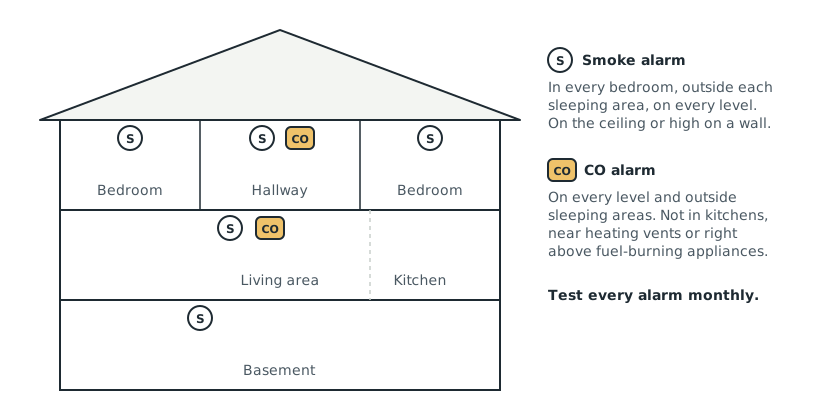
Make sure your smoke and CO alarms work before the heating season starts. See smoke and CO alarm maintenance for the monthly test and battery schedule.
Roof and gas cautions
Do not climb onto the roof to look down the chimney. Roof work is a fall risk, and a steep pitch is a job for a professional with the right equipment. Leave flue inspection, cap repairs and liner work to a qualified chimney professional.
If you have a gas fireplace or a gas appliance venting into the chimney, have it checked as part of your heating service. Do not try to adjust gas valves or connections yourself.
Choosing and calling a sweep
Call a chimney professional every year for the inspection, and any time you see the warning signs above. CSIA recommends choosing a CSIA Certified Chimney Sweep.
Call right away, and do not use the fireplace, after a chimney fire or if you suspect a blockage. A damaged flue can let fire or carbon monoxide reach the living space.
Getting ready for heating season
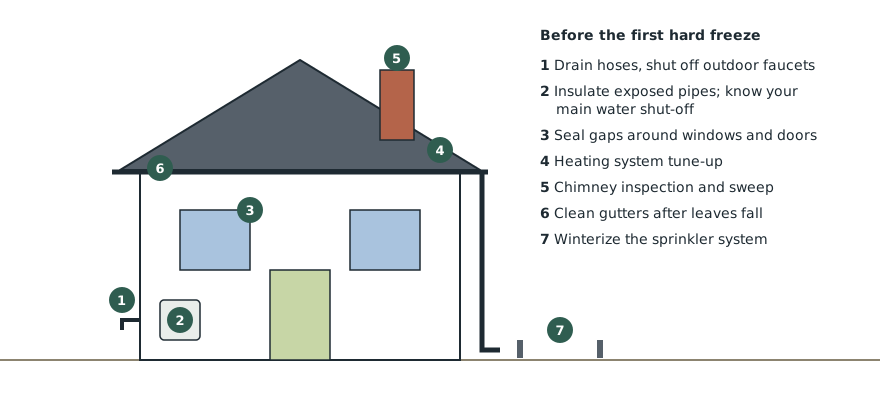
The chimney is one part of getting your home ready for winter. Book your furnace or boiler service around the same time; see the AC and furnace tune-up schedule. For the full fall checklist, read how to winterize your house.
Sources
- U.S. Fire Administration: Heating fire safety
- Chimney Safety Institute of America: Homeowner resources
- Chimney Safety Institute of America: Avoiding carbon monoxide hazards
- U.S. Consumer Product Safety Commission: Carbon monoxide questions and answers
Want every task on one schedule? Build your free maintenance calendar for your ZIP code and add it to your phone.